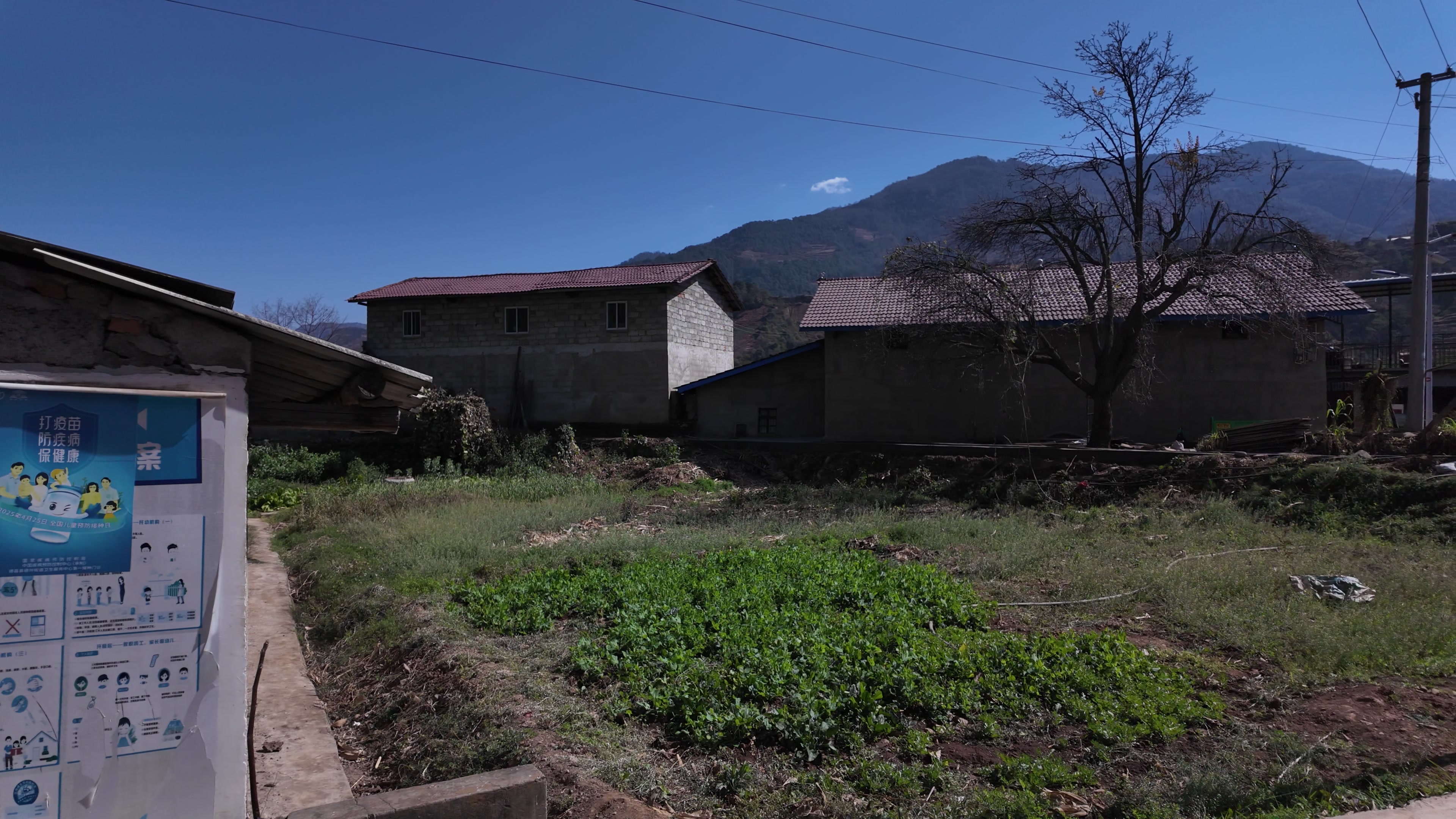
I began with a policy question: whether economic incentives could meaningfully change people’s willingness to return to their home communities. The project became a mixed-method study of migration decisions — first through survey data, then through interviews with households whose choices could not be reduced to a single economic variable.
The question
Return policies often assume that financial support, entrepreneurship incentives, or lower start-up costs can make moving back more attractive. I wanted to test how far that explanation actually went.
The method
- Reviewed a Sichuan policy package designed to encourage return and rural entrepreneurship.
- Collected more than 300 survey responses on willingness to return.
- Used ordered logistic regression to examine the factors associated with that willingness.
- Followed the model with household interviews to understand what the variables could not explain on their own.
What the numbers suggested
Economic incentives mattered, but only partially. Stable local employment remained a major concern, while education and family circumstances also shaped whether returning felt realistic.
What the interviews complicated
The most useful part of the project came after the regression. In interviews, people rarely described return as a clean calculation of wages or subsidies. Decisions were entangled with children’s schooling, elder care, family expectations, job stability, and — more fundamentally — different ideas of what a good life should look like.
What stayed with me
The model helped me see patterns. The interviews forced me to ask what those patterns meant. That tension between measurement and lived experience became one of the reasons I kept returning to migration as both a quantitative and narrative question.